Hot weather turns a broken cooling system into a real problem fast. Heat builds indoors, sleep suffers, and daily routines break down. People feel stressed when airflow drops or stops. A clear plan reduces panic and keeps your home safe while help travels to your door. This guide explains how to prepare for breakdowns, what to do in the first hour, and how to protect your home and family until a technician arrives. It also explains how an air conditioning repair service fits into those moments when waiting feels endless. Chills AC supports homes and small businesses across Miami with fast response and clear communication, so you never feel left guessing during a breakdown.
Understanding What Counts as an Emergency
Some failures demand quick action. Total cooling loss during a heat wave places children, older adults, and pets at risk. Electrical smells, smoke, or repeated breaker trips signal danger. Flooding around the unit damages floors and walls. These cases fall under emergency ac repair and need priority response.
Many owners ask, is ac not working an emergency during mild weather or short outages. The answer depends on indoor temperature, health risks, and signs of electrical or water damage. If the unit runs but blows warm air, the issue still deserves fast attention. When cooling stops completely in peak summer, emergency air conditioner repair becomes the safer choice.
What to Do in the First 15 Minutes
Start with simple safety checks. Turn the system off to prevent further damage. Check the thermostat settings and breaker panel. Reset a tripped breaker once. If it trips again, leave it off. Open windows if outdoor air brings relief. Close blinds to block heat. Move pets to shaded areas and provide water.
Call for emergency ac services early. Peak days fill schedules fast. Describe symptoms clearly. Note odors, noises, or water leaks. This information helps dispatch prepare the right tools and parts.
Keep Your Home Cooler While You Wait
Limit heat sources. Turn off ovens, dryers, and bright lights. Use ceiling fans to move air across skin. Create one cool room. Gather family members in the lowest level of the home where heat rises less. Place towels under doors to block hot air from unused rooms.
Cold compresses help manage body heat. Cool showers lower temperature fast. Drink water often. These steps buy time while waiting for emergency ac repair during high heat.
Protect Electronics and Furniture
Power surges damage electronics when systems cycle on and off. Unplug sensitive devices. Cover furniture near leaking units. Place buckets under active drips to protect floors. Wipe moisture to prevent slips. If water spreads, shut off the unit and power to the affected area.
Recognize Signs of Dangerous Failures
Burning smells point to wiring problems. Hissing near lines suggests refrigerant leaks. Loud grinding hints at motor failure. These signs raise risk. Call emergency air conditioner repair without delay. Keep people away from the unit. Avoid touching exposed wires or wet components.
How to Talk to the Dispatcher
Clear details speed help. Share the age of the system, last service date, and current symptoms. Ask about arrival windows and after hours rates. Confirm what steps to take before the technician arrives. This reduces stress and shortens downtime during emergency ac services.
Prepare a Waiting Kit
Create a small kit for hot days. Include water bottles, electrolyte packets, battery fans, cold packs, and flashlights. Keep towels, a bucket, and plastic sheeting ready for leaks. Store contact numbers for trusted providers. This kit supports calm action during emergency ac repair events.
Care for Children, Older Adults, and Pets
Heat affects vulnerable groups faster. Check for signs of heat stress such as dizziness, headache, or lethargy. Move them to shaded or cooler areas. Offer fluids. Never leave pets in closed rooms without airflow. If indoor temperatures climb too high, relocate temporarily to a cooler place until emergency air conditioner repair restores cooling.
Common Causes of Sudden Breakdowns
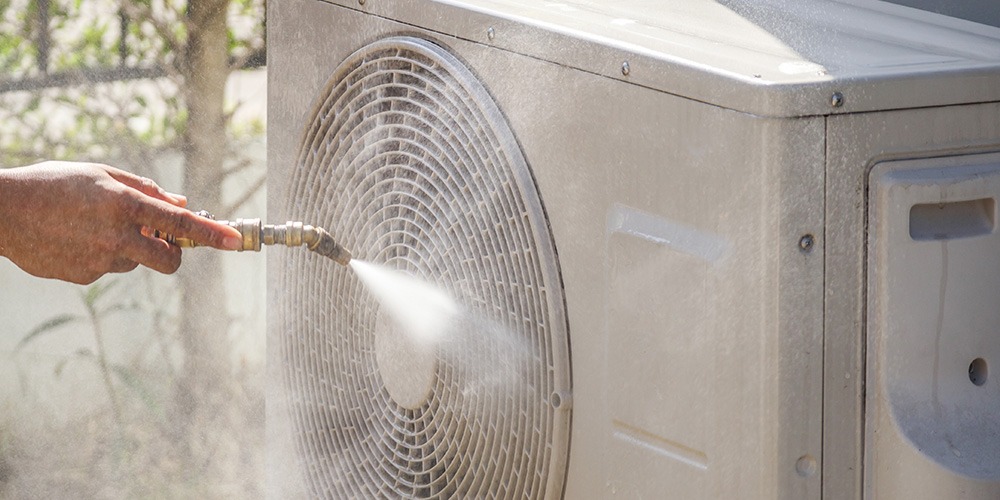
Dirty filters restrict airflow and overheat components. Frozen coils stop cooling. Capacitors fail in heat. Condensate drains clog and cause water leaks. Storms trigger power issues. Knowing these causes helps you describe the problem when you request emergency ac services.
What Not to Do
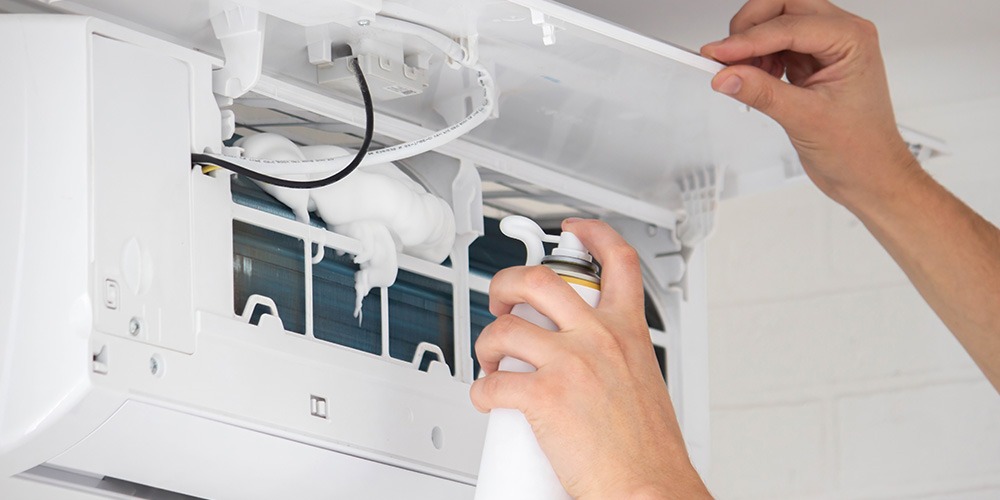
Do not add refrigerant without training, since improper handling damages equipment and creates health risks. Do not force breakers back on after a trip, since repeated resets point to electrical faults and raise fire risk. Do not open sealed components, since this exposes wiring and moving parts and leads to larger failures later. Do not run the system if smoke or burning odors appear, since this spreads damage through motors and control boards.
These actions raise repair costs and safety risks during emergency ac repair situations and slow down proper service once help arrives.
When to Leave the Home
If indoor heat rises beyond comfort and safety, plan a temporary exit. Visit a neighbor, library, or cooling center. Take pets along. Keep phones charged to receive updates from emergency air conditioner repair teams. Returning to a cooled home prevents heat related illness.
How Technicians Triage Emergencies
Dispatch teams prioritize total outages, health risks, and electrical hazards. They bring common parts to restore cooling fast. Clear access to the unit saves time. Secure pets and clear the area. This helps emergency ac services complete repairs quickly.
After Cooling Returns
Run the system at moderate settings to avoid stress. Replace filters. Schedule a follow up inspection. Ask for notes on what failed and why. Preventive steps reduce future calls for emergency ac repair.
Build a Prevention Plan
Routine tune ups catch weak parts early. Clean coils and drains before summer. Install surge protection. Keep vegetation away from outdoor units. These steps reduce the chance you will need emergency air conditioner repair during peak heat.
Choose a Reliable Provider
Look for licensing, insurance, and clear pricing. Local experience speeds response. A dependable Air conditioning repair service explains options and timelines. Save the number in your phone before a breakdown hits.
Why Fast Help Matters
Long heat exposure strains the body and home. Indoor temperatures rise fast when cooling stops, which increases the risk of dehydration, heat exhaustion, and poor sleep. Children, older adults, and pets face higher risk when airflow drops for hours. Quick response reduces health stress and helps restore safe indoor conditions sooner.
Prompt response also limits damage to motors, boards, and wiring inside the system. When parts overheat or cycle repeatedly during a failure, they wear out faster and raise repair costs. Standing water from drain line issues spreads across floors and walls, which leads to warping, staining, and long cleanup times. Quick action lowers the risk of mold growth and prevents moisture from spreading into cabinets and baseboards.
Emergency ac services protect comfort and property when minutes matter. Faster service shortens downtime, reduces secondary damage, and helps families return to normal routines without extended disruption.
What to Expect on Costs and Timing
After hours visits cost more. Parts availability affects timing. Technicians provide estimates after inspection. Clear communication sets expectations during emergency ac repair and reduces frustration.
Conclusion
Breakdowns happen at the worst times. Preparation turns chaos into manageable steps. A waiting kit, simple cooling tactics, and clear communication protect your household until help arrives. Routine maintenance lowers the odds of sudden failure, yet planning for emergencies keeps you ready when heat spikes and systems stop. Chills AC provides responsive support and clear guidance so homes regain comfort fast and safely.