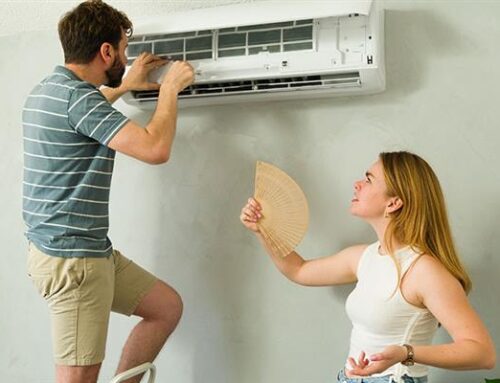
Your air conditioner depends on steady airflow to keep your home comfortable, and the filter plays an important role in maintaining that airflow. Every day, the filter collects dust, pet dander, pollen, lint, and other airborne particles before they reach sensitive HVAC components. Over time, this buildup restricts airflow and makes the system work harder. In Miami, where air conditioners operate for much of the year, checking the filter regularly becomes especially important.
Homeowners often wonder how often to change AC filter materials because there is no schedule that works perfectly for every household. Filter type, pets, indoor air quality, household size, and AC usage all affect replacement frequency. Regular Miami AC maintenance should include checking the condition of the filter rather than waiting until cooling performance begins to decline. Giving filters consistent attention as part of routine HVAC care is especially important in South Florida’s demanding climate. Chills Air Conditioning helps Miami homeowners keep their cooling systems performing reliably through regular maintenance and proper filter care.
Why Your AC Filter Needs Regular Attention
An air filter does more than help keep dust out of your living space. Its primary job is to protect HVAC equipment from particles that would otherwise accumulate on coils and other components. As debris builds up, the filter becomes increasingly restrictive.
Reduced airflow forces the HVAC system to operate under more demanding conditions. You may notice longer cooling cycles, weaker airflow from vents, or difficulty maintaining comfortable temperatures. A dirty filter may also contribute to higher energy consumption because the system needs to work harder to move conditioned air throughout the home.
Regular AC filter replacement helps prevent these problems and supports efficient operation during Miami’s long cooling season.
How Often Should You Change an AC Filter?
A general starting point is to inspect the filter every month and replace disposable filters when they become visibly dirty. Many households may replace a filter around every three months, while homes with pets, allergy concerns, heavy AC usage, or greater exposure to outdoor dust and pollution may need more frequent changes.
The answer to how often to replace AC filter materials therefore depends on the home rather than a single calendar rule. A lightly occupied property with no pets may go longer between changes, while a busy household with several pets may need a fresh filter much sooner.
The safest approach is to check the filter regularly. Once you understand how quickly yours becomes dirty, you can establish a schedule based on your actual household conditions.
Why Miami Homes May Need More Frequent Filter Changes
Miami’s climate places significant demands on residential air conditioning. Cooling equipment often operates for extended periods because of the region’s heat and humidity, which means more household air passes through the filter over time. Properties near busy roads, construction areas, or other sources of outdoor dust may also experience faster filter buildup.
This heavy usage matters when deciding how often to change ac filter in house systems. A schedule that works well in a cooler climate may not suit a Miami property where the air conditioner runs frequently throughout the year.
Rather than relying on advice designed for every climate, Miami homeowners should pay attention to system usage and the condition of the filter itself.
Your Filter Type Makes a Difference
Not all AC filters are the same. Different filter materials, thicknesses, designs, and efficiency ratings affect how much debris they collect and how frequently they require attention.
Thin disposable filters often require more frequent replacement than some thicker filters designed for longer service intervals. Washable filters follow a different maintenance process because they are cleaned and reused rather than discarded. Always check the manufacturer’s recommendations before cleaning or servicing a filter because not every filter is reusable.
Always follow the recommendations for your specific HVAC system and filter. Installing a filter designed for a longer interval does not mean you should ignore it until the maximum stated service period. Miami conditions and household activity may cause it to become dirty sooner.
Pets Can Shorten the Replacement Interval
Pets add hair and dander to indoor air, and some of those particles eventually reach the HVAC filter. A home with one pet may experience moderate buildup, while multiple pets or heavy shedding can cause a filter to become dirty much faster.
If you have pets, inspect the filter monthly and pay attention to how quickly debris accumulates.
Household cleaning also helps. Regular vacuuming and dusting reduce the amount of loose material circulating through the home, although these habits do not eliminate the need to inspect the HVAC filter.
Allergies and Indoor Air Quality Matter Too
Households with allergy concerns often pay closer attention to filtration because pollen, dust, pet dander, and other airborne particles affect indoor conditions. A loaded filter cannot continue performing as intended indefinitely.
If someone in your household experiences allergies or respiratory sensitivities, checking the filter more frequently helps ensure excessive buildup does not go unnoticed.
Filter selection matters as well. A higher-efficiency filter is not automatically appropriate for every HVAC system because increased filtration may also create greater airflow resistance. Before changing filter types, make sure the selected product is compatible with your equipment.
Signs Your AC Filter Needs to Be Changed
A replacement schedule provides a useful reminder, but the condition of the filter should guide the final decision. Visible dirt or heavy dust buildup is the clearest sign that replacement is due.
You may also notice reduced airflow from vents, longer cooling cycles, increased dust around the home, or a system that seems to work harder than usual. These symptoms have several possible causes, so replacing a dirty filter does not automatically solve every cooling problem. Still, checking the filter is a sensible first step.
If a new filter does not improve performance, the system may need professional inspection to identify another airflow or mechanical issue.
How to Check Your AC Filter Properly
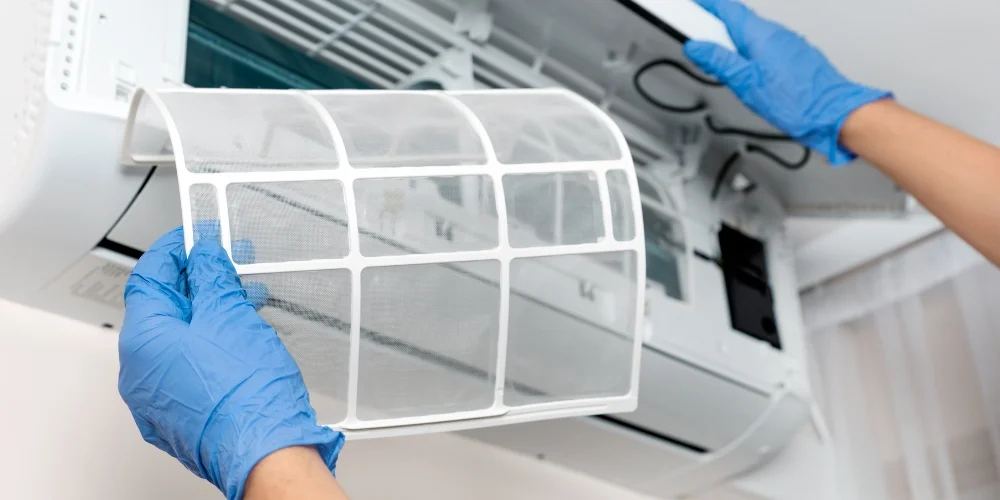
Checking the filter only takes a few minutes. Turn the HVAC system off before removing it, then locate the filter behind the return grille, inside the air handler, or in another location specified by the equipment manufacturer.
Slide the filter out carefully and inspect its surface. A filter covered with visible dust, hair, and debris is ready for replacement. If you are uncertain, compare its appearance with a new filter of the same type.
Before installing the replacement, look for airflow arrows on the frame. These markings show the correct installation direction, generally toward the air handler or blower.
Why Waiting Too Long Creates Problems
Delaying AC filter replacement does more than leave a dirty filter inside the system. As airflow becomes increasingly restricted, the HVAC equipment must work harder to circulate conditioned air.
Over time, reduced airflow can affect cooling performance, make it harder for the system to maintain comfortable indoor temperatures, and place additional wear on HVAC components.
A filter is inexpensive compared with many HVAC components, which makes regular inspection one of the simplest preventive tasks homeowners can perform.
How Often to Change AC Filter in House Systems With Heavy Use
Some households place greater demands on their HVAC systems than others. Large families, multiple pets, frequent door opening, nearby construction, renovation work, and high levels of dust can all increase the amount of debris reaching the filter.
Under these conditions, checking once every month is especially useful. The question of how often to change ac filter in house equipment should ultimately be answered by observing how quickly the specific filter becomes dirty.
After several months of regular inspections, most homeowners develop a clear picture of their home’s typical replacement interval.
Include Filters in Your Miami AC Maintenance Routine
Filter care should form one part of a broader HVAC maintenance plan. Miami systems face long operating seasons, humidity, debris, and frequent cooling demand, so filters are only one area that needs attention.
Professional service also addresses components homeowners should not attempt to inspect or repair themselves. Depending on the system, maintenance may include checking coils, drainage, electrical components, refrigerant-related performance, and overall operation. Regular professional tune-ups, combined with routine filter care between service visits, provide a more complete approach to maintaining your cooling system.
Combining professional service with regular homeowner inspections helps identify small problems before they interfere with cooling performance.
How Often to Replace AC Filter: Build a Schedule That Fits Your Home
Once you have inspected your filter regularly for several months, use those observations to create a replacement schedule for your home. Note whether the filter becomes dirty faster during periods of heavy cooling, home renovations, increased household activity, or other changes.
Continue following the manufacturer’s recommendations, but shorten the interval whenever the filter becomes visibly loaded sooner. This approach to how often to replace AC filter products gives you a routine based on the actual conditions inside your home.
Keeping spare filters at home also makes replacement easier. Write down the correct dimensions and filter specifications so you have the right replacement available when needed.
Keep Your AC Breathing Freely
Knowing how often to change AC filter materials is a small part of home maintenance with a meaningful effect on HVAC performance. Miami’s long cooling season means filters receive plenty of use, and ignoring them allows dust and debris to accumulate until airflow begins to suffer.
Regular inspections, timely filter changes, and professional maintenance work together to support reliable cooling. If your filter becomes dirty unusually quickly, airflow remains weak after replacement, or your system struggles to maintain comfortable temperatures, Chills Air Conditioning can inspect the equipment and determine whether another HVAC issue is contributing to the problem.
A consistent filter routine keeps one of the simplest parts of your cooling system from becoming a source of unnecessary trouble. With the right AC filter replacement schedule for your household, you give your HVAC equipment the airflow it needs to handle Miami’s demanding cooling conditions.