Air conditioning problems often show up at the worst time. A system stops cooling during a heat wave, energy bills climb without warning, or strange noises begin to disrupt your home. At that moment, most homeowners face one key question. Should you fix the system or replace it entirely? This decision affects your comfort, your budget, and your long-term home value. In South Florida, where systems run almost year-round, AC repair Miami services deal with this question every day. Chills AC helps homeowners understand their options and make clear, informed choices without pressure.
Understanding the difference between air conditioning repair and full replacement is the first step. Each option has benefits, costs, and long-term impacts. This guide breaks down how to evaluate your system, compare costs, and decide what makes the most sense for your home.
Understanding the Basics: Repair vs Replacement
Air conditioning repair focuses on fixing specific issues within your current system. This might include replacing a capacitor, repairing a refrigerant leak, or fixing a motor. Repairs are usually faster and cost less upfront.
Air conditioning replacement involves installing a completely new system. This option comes with higher initial costs but offers improved efficiency, reliability, and performance. It often includes updated technology and better energy savings.
The choice between these two paths depends on system condition, repair frequency, and long-term goals. When evaluating hvac repair vs replacement, homeowners need to look beyond the immediate cost and consider future performance.
Key Factors That Influence Your Decision
Several factors determine whether repair or replacement is the better option. Ignoring these details can lead to higher expenses over time.
System Age
Age plays a major role in the decision. Most systems last between 10 and 15 years. If your unit falls within this range or beyond it, replacement becomes more practical.
If your system is under eight years old, air conditioning repair often remains the smarter choice. Newer units still have useful life and can perform well with proper maintenance.
Frequency of Repairs
If you call for service once every few years, repair makes sense. If you call multiple times per year, the pattern suggests deeper issues. Repeated breakdowns increase costs and reduce reliability.
In these situations, air conditioning replacement often provides better long-term value.
Energy Efficiency
Older systems consume more energy. They run longer and struggle to maintain consistent temperatures. This leads to higher utility bills.
New systems offer better efficiency and lower monthly costs. Over time, these savings offset the initial investment.
When homeowners ask when to replace air conditioner units, rising energy bills often provide a clear answer.
Cost Comparison: Repair vs Replacement
Cost remains one of the most important factors in the decision. Repairs cost less upfront but may add up over time. Replacement requires a larger investment but reduces future expenses.
A common guideline helps simplify the decision. If a repair costs more than half the value of a new system, replacement often makes more sense.
For example, a compressor failure in an older system may cost thousands to fix. In this case, investing in air conditioning replacement provides better value than repairing a system near the end of its lifespan.
Evaluating hvac repair vs replacement requires looking at both immediate and future costs.
Performance and Comfort
A well-functioning system should cool your home evenly and maintain steady temperatures. If some rooms feel warmer than others, the system may be struggling.
Frequent cycling, weak airflow, or inconsistent cooling signal deeper problems. These issues often point toward replacement rather than continued air conditioning repair.
Modern systems offer improved airflow, quieter operation, and better humidity control. These features improve overall comfort and make replacement more appealing.
Environmental Considerations
Older systems use outdated refrigerants that are less efficient and harder to replace. New systems use updated refrigerants that meet current environmental standards.
Choosing air conditioning replacement reduces environmental impact and improves system efficiency.
This factor plays an increasing role when deciding when to replace air conditioner systems in modern homes.
The Hidden Costs of Ongoing Repairs
Repeated repairs carry hidden costs beyond the invoice. Downtime disrupts daily life. Emergency calls often cost more than scheduled service.
Older systems also require harder-to-find parts, which increases wait times and costs.
Over time, the total cost of repeated air conditioning repair may exceed the cost of a new system. This makes replacement the more practical long-term choice.
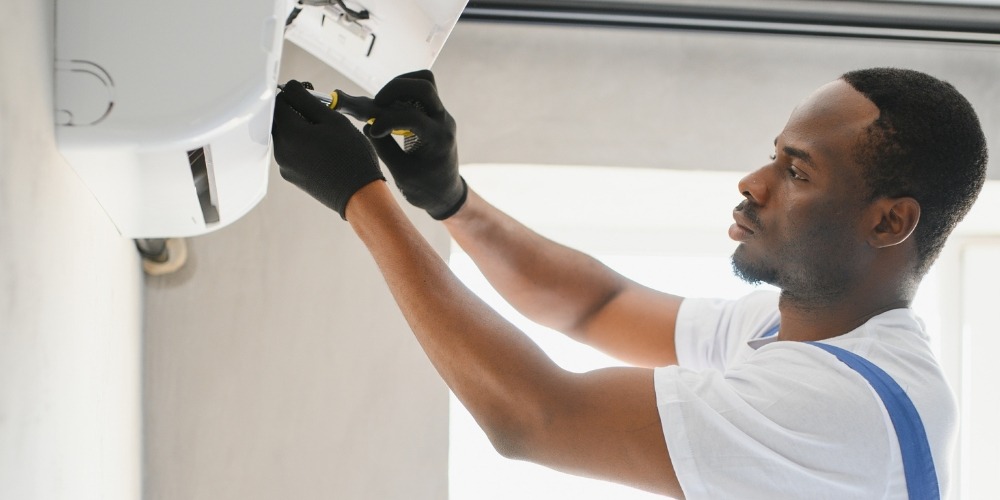
Signs It’s Time to Replace Your AC
Some signs clearly indicate that replacement is the better option.
- Frequent breakdowns during peak seasons
- Unusual noises or vibrations
- High energy bills with no clear reason
- Poor airflow or uneven cooling
- System age over ten to twelve years
These signs answer the question of when to replace air conditioner units without guesswork.
When Repair Still Makes Sense
Not every issue requires replacement. Some situations favor repair.
- Minor component failure in a newer system
- Systems under eight years old
- Isolated issues with clear solutions
- Strong overall performance aside from one problem
In these cases, air conditioning repair remains the most cost-effective choice.
The Role of Professional Inspection
A professional inspection provides clarity. Technicians evaluate system condition, identify worn components, and estimate repair costs.
Reliable companies like Chills Air Conditioning provide honest assessments based on real system performance. This helps homeowners make informed decisions without pressure.
Accurate evaluation is essential when comparing hvac repair vs replacement options.
Planning for Replacement
If replacement becomes necessary, planning ahead reduces stress. Choose the right system size for your home. Consider energy efficiency ratings and long-term savings.
Work with experienced professionals to ensure proper installation. Poor installation leads to reduced performance and higher costs over time.
Investing in quality installation protects your investment and ensures reliable operation.
Financing and Budget Considerations
Replacement requires a larger upfront cost, but many companies offer financing options. Spreading payments over time makes the investment more manageable.
When comparing options, consider long-term savings rather than focusing only on initial cost. Lower energy bills and reduced repair needs provide ongoing financial benefits.
Balancing immediate cost with long-term value is key when deciding between air conditioning repair and replacement.

How to Make the Final Decision
The best decision comes from evaluating your specific situation. Consider system age, repair history, performance, and budget.
Ask clear questions during service visits.
- What caused the issue?
- What are the repair costs?
- How long will the repair last?
- Would replacement provide better value?
These answers guide your decision and reduce uncertainty.
Understanding when to replace air conditioner systems requires a combination of data and professional guidance.
Final Thoughts
Choosing between repair and replacement affects your comfort and long-term expenses. Quick fixes may seem easier, but repeated problems often point toward a larger issue.
Evaluating system age, performance, and repair history provides a clear path forward. Air conditioning replacement offers improved efficiency and reliability, while repair remains a practical option for newer systems with isolated issues.
Working with a trusted provider makes the process easier. Chills Air Conditioning helps homeowners assess their systems, compare options, and make confident decisions that support comfort, efficiency, and long-term value.