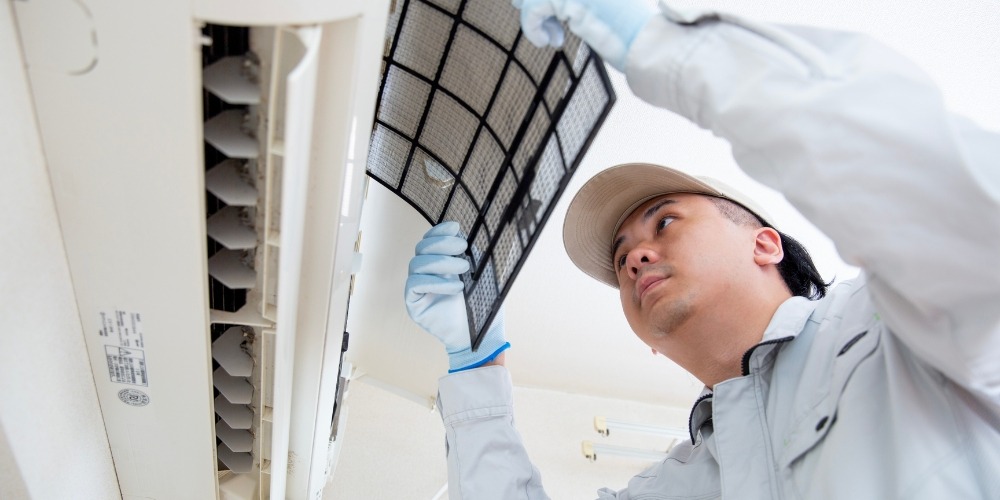
Living near the ocean comes with clear benefits, but it also brings hidden challenges for your home systems. Air conditioning units in coastal areas face constant exposure to moisture, heat, and airborne particles that speed up wear. Many homeowners do not realize how much the environment influences performance and repair needs until problems start showing up. This is especially true in South Florida, where AC repair Miami services often deal with damage tied directly to coastal conditions. Chills AC works with these issues daily and understands how local climate factors shape long-term system performance.
One of the biggest factors behind frequent breakdowns is the presence of salty air. This invisible element travels inland from the ocean and settles on outdoor units, coils, and metal components. Over time, it triggers chemical reactions that weaken the system and reduce efficiency. Understanding how salty air affects air conditioners in Miami helps you take the right steps to protect your investment and avoid unexpected repairs.
What Is Salty Air and Why It Matters
Coastal environments contain high levels of salt particles suspended in the air. This salty air forms when ocean water evaporates and leaves behind microscopic salt crystals that travel with wind currents. In Miami, these particles reach homes miles away from the shoreline, meaning even inland properties are affected.
Salt air sticks to surfaces and mixes with moisture in the environment. This combination creates a corrosive layer on metal parts. Unlike dust or dirt, salt does not simply wash away with rain. It builds up gradually and continues to react with materials over time. This ongoing exposure makes air conditioning systems more vulnerable to long-term damage than in non-coastal regions.
How Salt Air Interacts with AC Systems
Air conditioning units rely on metal components such as coils, fins, and electrical connections. When salt air settles on these parts, it accelerates the process of ac corrosion. This chemical reaction weakens metal, causes rust, and reduces the ability of the system to transfer heat efficiently.
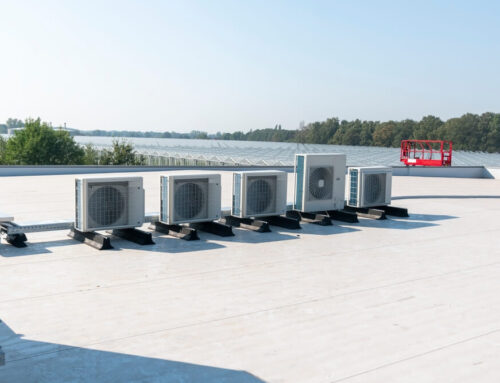
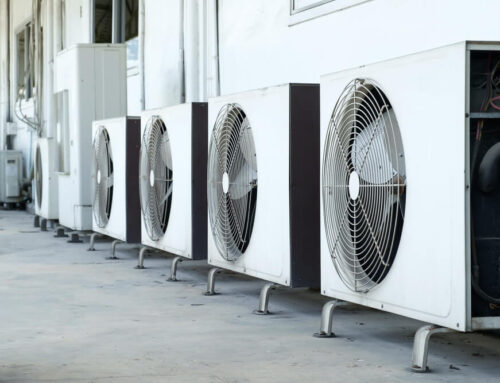
The outdoor condenser unit faces the most exposure. It pulls in air constantly to release heat, which means it also draws in salt particles. Over time, this leads to buildup on condenser coils and fins. As corrosion spreads, airflow becomes restricted and the system works harder to cool your home. This increased strain leads to higher energy use and more frequent breakdowns.
The Role of Humidity in Corrosion
Miami’s high humidity levels make the effects of salty air even worse. Moisture acts as a catalyst that speeds up chemical reactions on metal surfaces. When salt and water combine, they form an environment where corrosion develops quickly.
This is why coastal systems often show visible wear earlier than expected. Units that might last over a decade in dry climates may begin to show signs of ac corrosion much sooner in Miami. Understanding how salty air affects air conditioners in Miami means recognizing that humidity and salt work together to shorten equipment lifespan.
Common Signs of Salt Damage
Homeowners often overlook early warning signs until performance drops significantly. One of the first indicators is visible rust or discoloration on the outdoor unit. Metal fins may appear brittle or bent.
Another sign is reduced cooling efficiency. The system runs longer to reach the same temperature, which leads to higher energy bills. Strange noises or weak airflow can also point to internal damage caused by salt buildup.
Frequent service calls are another clue. If you find yourself scheduling AC repair Miami more often than expected, environmental exposure could be the cause.
Why Corrosion Leads to Costly Repairs
Corrosion affects both small and major components. Coils lose their ability to transfer heat, which reduces efficiency. Electrical connections degrade, leading to intermittent failures or system shutdowns.
Over time, these issues compound. A small amount of corrosion can lead to refrigerant leaks, motor strain, and compressor damage. These are among the most expensive repairs homeowners face.
Because salt air exposure continues year-round, ignoring early signs often results in larger and more costly problems. Preventive action reduces the need for major repairs and helps extend system life.
How Distance from the Ocean Impacts Your AC
Many homeowners believe only beachfront properties face these issues. In reality, salty air travels inland with wind patterns. Homes several miles from the coast still experience salt exposure, though at lower concentrations.
The closer you are to the ocean, the higher the risk. However, even moderate exposure contributes to ac corrosion over time. This is why regular maintenance is important across all areas of Miami, not just coastal neighborhoods.
Protective Measures to Reduce Salt Damage
Routine cleaning stands as one of the most effective ways to combat salt buildup. Rinsing the outdoor unit with fresh water removes surface salt before it has time to react with metal. This simple step reduces long-term damage.
Protective coatings also help. Many modern systems include corrosion-resistant materials or coatings designed for coastal use. Applying these treatments creates a barrier between salt air and metal surfaces.
Proper placement of the unit can also make a difference. Installing the system in a shaded or partially enclosed area reduces direct exposure to wind carrying salt particles.
The Importance of Regular Maintenance
Professional maintenance plays a key role in preventing damage. Technicians inspect coils, clean components, and check for early signs of ac corrosion. These inspections catch problems before they escalate.
Scheduling service at least twice per year helps maintain efficiency and extend system lifespan. Maintenance also improves indoor air quality and reduces the likelihood of unexpected breakdowns.
Homeowners who stay proactive often see fewer repair needs and lower overall costs.
Choosing the Right Equipment for Coastal Areas
Not all air conditioning systems perform the same in coastal environments. Units designed for coastal climates include features that resist corrosion. These systems use coated coils, stainless steel components, and improved drainage designs.
Investing in the right equipment reduces long-term repair costs. While initial prices may be higher, the extended lifespan and improved performance often make up for the difference.
When planning a new installation, consider how salty air affects air conditioners in Miami and choose equipment built to handle those conditions.
How Professionals Handle Salt-Related Issues
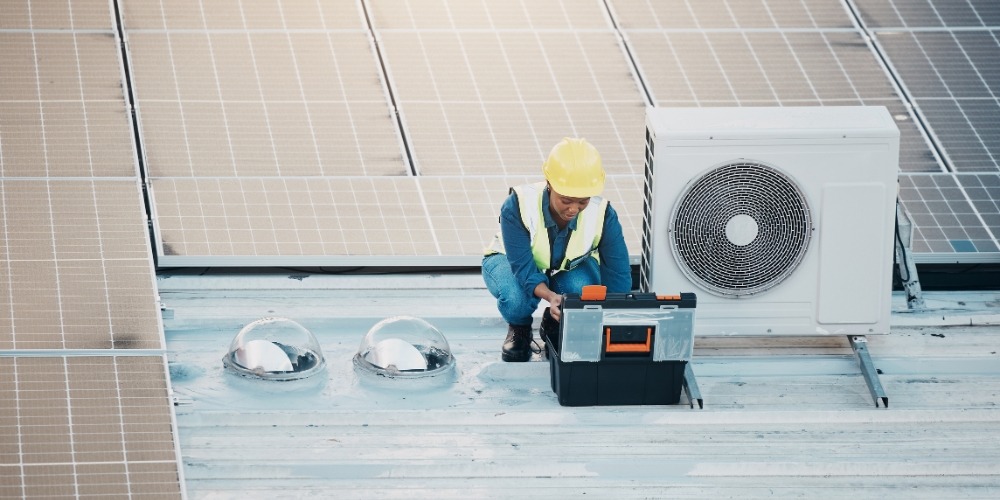
Experienced technicians understand the impact of salt exposure. They inspect for hidden damage, test electrical components, and evaluate system performance.
When corrosion is present, repairs may involve replacing affected parts, cleaning coils, or applying protective treatments. In severe cases, replacement may be the best option.
Reliable AC repair Miami services focus on both fixing the problem and preventing future damage. This approach helps homeowners avoid repeated issues caused by environmental exposure.
Long-Term Effects on System Lifespan
Salt exposure reduces the expected lifespan of air conditioning units. Continuous exposure leads to gradual deterioration of key components.
Without proper maintenance, systems may fail earlier than expected. This increases replacement frequency and overall ownership costs.
Taking preventive steps helps offset these effects. Regular cleaning, maintenance, and protective measures extend system life and improve performance over time.
Energy Efficiency and Cost Impact
Corrosion affects more than durability. It also reduces energy efficiency. Damaged coils and restricted airflow force the system to work harder, which increases electricity usage.
Higher energy consumption leads to rising utility bills. Over time, these costs add up and place additional strain on household budgets.
Maintaining a clean and well-functioning system helps control energy use and keeps operating costs manageable.
Final Thoughts
Coastal living brings unique challenges for air conditioning systems. Constant exposure to salty air and humidity accelerates wear and increases the risk of ac corrosion. Understanding how salt air interacts with your system helps you take control of maintenance and avoid costly breakdowns.
Regular care, proper equipment, and early intervention make a significant difference. Homeowners who stay proactive protect their investment and enjoy reliable cooling throughout the year. Chills AC provides the expertise and support needed to manage coastal conditions and keep your system running efficiently in Miami’s demanding environment.