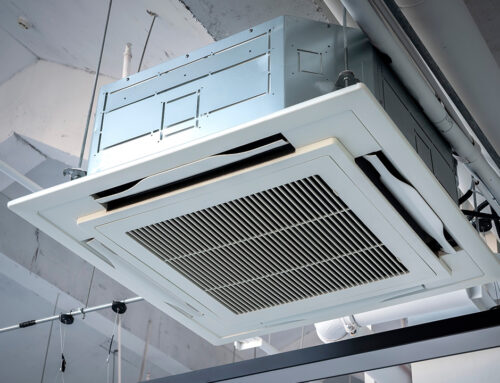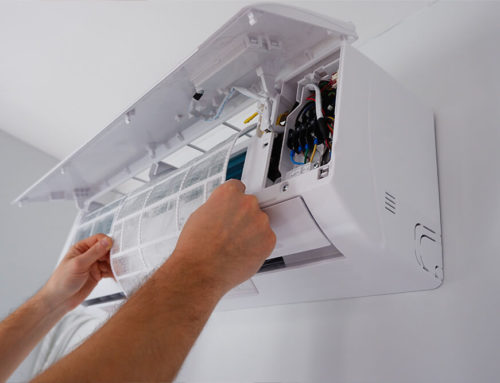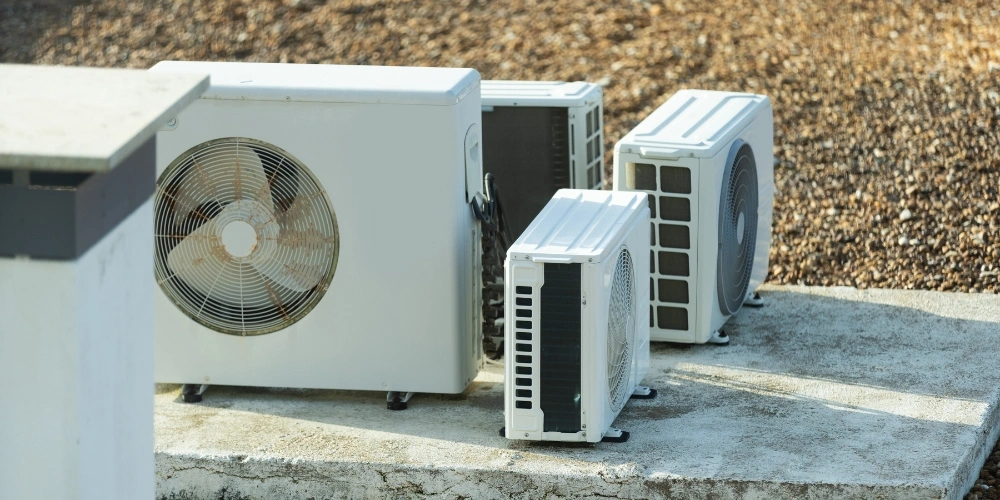
An HVAC system does not always need complete replacement when performance begins to decline or newer technology becomes available. In many homes and commercial properties, existing equipment still has useful service life, but certain components no longer provide the efficiency, control, or comfort the property needs. Retrofitting offers another option by improving selected parts of an existing heating and cooling system rather than removing everything and starting over.
For property owners considering a commercial hvac retrofit or improvements to an existing residential system, understanding the available options is an important first step. Chills Air Conditioning helps property owners evaluate their current equipment, identify areas where improvements make sense, and determine whether upgrading existing components or replacing the complete system offers better value. A carefully planned retrofit may improve performance while allowing usable equipment to remain in place.
What Does HVAC Retrofitting Mean?
Homeowners and property managers often ask, what does retrofit mean in hvac, especially when comparing modernization with complete equipment replacement. Retrofitting means modifying or upgrading an existing HVAC setup with newer components, controls, or technology while retaining parts of the original system that remain functional.
An hvac retrofit might involve updating thermostats and controls, replacing selected mechanical components, improving airflow, addressing ductwork problems, or integrating more efficient equipment with an existing setup. The exact scope depends on the age, condition, design, and performance of the current equipment.
Unlike complete replacement, hvac retrofitting focuses on improving what is already there. This approach makes the most sense when important portions of the existing system remain serviceable and compatible with the proposed improvements.
Retrofit vs. Complete HVAC Replacement
A retrofit and a full replacement solve different problems. Complete replacement generally involves removing major equipment and installing a new system. A retrofit hvac system project keeps suitable portions of the existing setup and targets specific areas where an improvement is needed.
For example, a property with functioning mechanical equipment might benefit from improved controls, duct modifications, or selected component upgrades. On the other hand, equipment with extensive deterioration, frequent breakdowns, or major compatibility issues may be a stronger candidate for replacement.
The decision should depend on the condition of the complete system rather than age alone. A professional evaluation helps determine whether existing equipment has enough remaining service life to make an upgrade worthwhile.
Benefits of Retrofitting an HVAC System
One reason property owners consider retrofitting is the opportunity to improve performance without automatically replacing every component. Depending on the existing equipment and the improvements selected, several benefits are possible.
Improved Energy Efficiency
Older HVAC equipment may contain components or controls that no longer operate as efficiently as newer alternatives. Updating selected parts may reduce unnecessary energy consumption and help the system respond more effectively to changing heating and cooling demands.
An hvac system upgrade may also improve control over when and how equipment operates. Better scheduling, zoning, sensors, and thermostat controls can reduce unnecessary operation while maintaining comfortable indoor conditions.
Better Indoor Comfort
Temperature inconsistencies do not always mean the entire HVAC system has failed. Poor airflow, outdated controls, duct problems, and aging components may contribute to hot and cold areas throughout a property.
Targeted improvements can address these weaknesses and help deliver more consistent temperatures. Depending on the property, a retrofit may also improve humidity management, airflow, and overall system responsiveness.
Extending the Value of Existing Equipment
Replacing equipment that still performs reliably is not always the best use of a property owner’s budget. When major components remain in suitable condition, a retrofit may allow owners to improve performance while continuing to use portions of their existing system.
This approach does not mean every older unit should be preserved. The remaining life and condition of the equipment should justify the investment before modifications begin.
What Components Can Be Retrofitted?
The scope of a retrofit varies considerably from one property to another. Some projects involve relatively focused changes, while others include several coordinated improvements across the HVAC system.
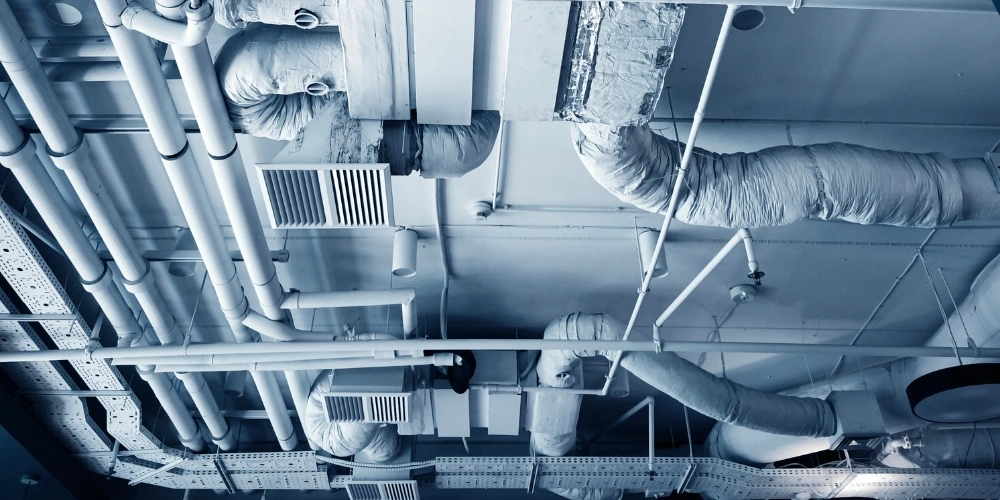
Common areas considered for upgrades include thermostats, building controls, motors, fans, ductwork, zoning equipment, sensors, ventilation components, and other compatible parts. The right combination depends on what is limiting current performance.
A professional assessment is especially important before making changes. New components must work properly with existing equipment, and an improvement in one area should not create airflow, control, or performance problems elsewhere.
The HVAC Retrofit Process
A successful retrofit starts with understanding the existing system rather than selecting new equipment immediately. The process generally begins with an inspection of the HVAC equipment, controls, ductwork, airflow, and overall system performance.
During this assessment, technicians look for areas contributing to high energy use, poor comfort, frequent service needs, or inconsistent operation. The property’s current needs should also be considered, particularly if occupancy patterns or space usage have changed since the original HVAC installation.
After identifying suitable improvements, the next stage involves developing a retrofit plan. The plan determines which components should remain, which should be upgraded, and whether modifications are compatible with the rest of the system.
Installation follows once the appropriate improvements have been selected. Afterward, the system should be tested to confirm that new and existing components operate together correctly. Proper testing is an important part of any retrofit hvac system project because individual upgrades should support the performance of the system as a whole.
When Should You Consider an HVAC Retrofit?
Not every performance issue requires a retrofit. Minor problems may need routine maintenance or repair, while severely deteriorated equipment may require complete replacement. Retrofitting occupies the space between those situations.
One reason to consider an hvac system upgrade is declining efficiency in equipment that remains structurally and mechanically serviceable. If energy consumption has increased or comfort has become less consistent, selected improvements may address the problem without replacing the complete setup.
Changing property needs may also justify an upgrade. Renovations, additions, changes in occupancy, or different operating schedules can create heating and cooling demands the original design was not intended to handle. Updating controls, zoning, airflow, or other components may help adapt the system to those new requirements.
When Full Replacement Makes More Sense
HVAC retrofitting is not automatically the right choice simply because it involves retaining existing equipment. A system near the end of its useful life may not provide enough remaining value to justify substantial upgrades.
Frequent breakdowns, extensive deterioration, poor overall performance, or major compatibility limitations can make complete replacement the more practical option. Investing in improvements around equipment likely to require replacement soon may result in unnecessary expense.
This is why the condition of the entire system matters. A professional assessment should consider current repair needs, equipment age, operating costs, comfort problems, and future plans for the property before recommending either approach.
Planning the Right HVAC Improvements
The most effective retrofit starts with a specific goal. Some property owners want to reduce energy consumption, while others need better temperature consistency, improved controls, or a solution for changing building use. Defining the problem first makes it easier to identify improvements that provide meaningful value.
Property owners should also think beyond immediate costs. Compatibility, future maintenance, remaining equipment life, and the possibility of later replacement all affect whether an upgrade makes financial sense. A well-planned project should improve current performance without creating unnecessary limitations for future HVAC decisions.
Is an HVAC Retrofit Right for Your Property?
If your HVAC equipment still has useful life but no longer delivers the efficiency, control, or comfort you expect, retrofitting may offer a practical path forward. Understanding what does retrofit mean in hvac also makes it easier to distinguish between targeted modernization and a complete system replacement.
The right decision depends on the condition of your existing equipment, the problems you want to solve, and whether new components can be integrated effectively. A professional evaluation provides the information needed to compare the cost and long-term value of repair, replacement, and hvac retrofitting.
Chills Air Conditioning can evaluate your existing heating and cooling equipment, identify opportunities for improvement, and help determine whether an hvac retrofit or complete replacement better suits your property. With the right assessment and planning, you can invest in improvements that support reliable performance, efficient operation, and comfortable indoor conditions for years to come.