Air conditioners work hard during extreme summer heat, especially in places where temperatures stay high for long periods. Many homeowners expect their system to maintain cold indoor temperatures no matter how hot it gets outside. When cooling performance drops during heat waves, frustration quickly follows. Rooms feel warmer, systems run longer, and energy bills climb. Chills Air Conditioning helps homeowners understand why this happens and what realistic expectations should look like during extreme weather conditions.
Air conditioning systems are designed to cool homes within a certain operating range. Once outdoor temperatures rise beyond normal conditions, even well-maintained systems begin to lose efficiency. Understanding ac cooling temperature limits, system performance, and environmental factors helps homeowners protect their equipment and avoid unnecessary strain during the hottest days of the year.
How Air Conditioners Actually Cool a Home
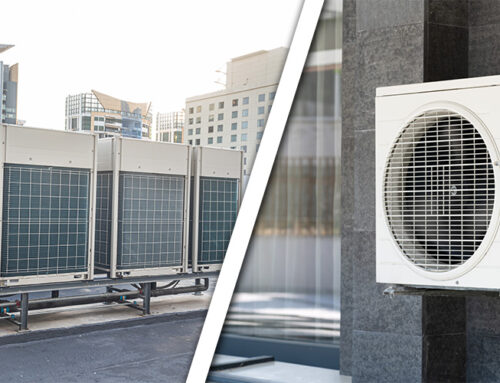
Air conditioners do not create cold air from nothing. Instead, they remove heat from indoor air and transfer it outside through refrigerant and coil systems. This process works efficiently within a certain temperature range.
The system depends on airflow, refrigerant pressure, outdoor conditions, and proper heat exchange. As outdoor temperatures rise, the system has a harder time releasing heat outside. This forces the unit to run longer and work harder.
This is where ac maximum temperature becomes important. Every system has limits, and extreme outdoor heat reduces overall efficiency.
What Is the Normal AC Temperature Range?
Most residential systems are designed to maintain indoor temperatures roughly 15 to 20 degrees cooler than outdoor conditions during peak heat.
For example, if outdoor temperatures reach 95°F, a properly functioning system may realistically cool the home to around 75°F to 80°F.
This operating difference represents a normal ac temperature range for many systems. Problems often arise when homeowners expect indoor temperatures far below what the system can realistically maintain during extreme heat.
Understanding this range helps prevent unnecessary thermostat adjustments and excess system strain.
At What Temperature Does Efficiency Start Dropping?
Efficiency often begins dropping once outdoor temperatures move above 90°F to 95°F. Systems still operate, but cooling performance becomes less effective.
When outdoor temperatures exceed 100°F, many systems run continuously without reaching thermostat settings. This does not always mean the unit is broken. It often reflects the limits of the equipment under extreme conditions.
As outdoor heat rises, refrigerant pressures increase and heat transfer becomes more difficult. This reduces overall ac cooling temperature performance and increases energy consumption.
What Is the AC Maximum Temperature for Most Systems?
Most residential air conditioners are designed to operate efficiently up to around 95°F. Some higher-performance systems handle slightly higher temperatures better, but all units experience reduced efficiency during extreme heat.
The term ac maximum temperature refers to the point where the system can no longer maintain efficient cooling performance. While units may continue running above this level, strain on components increases significantly.
Continuous operation during extreme temperatures accelerates wear on compressors, motors, and electrical components.
Why Your AC Struggles During Heat Waves
Several factors combine to reduce cooling performance during very hot weather.
Outdoor condenser units rely on cooler surrounding air to release heat. When outside air becomes extremely hot, this process slows down.
Direct sunlight also affects performance. Outdoor units placed in full sun absorb additional heat, which reduces efficiency further.
Poor insulation, air leaks, and dirty filters increase indoor heat load and force the system to work harder. These issues shrink the effective ac temperature range even more during heat waves.
How Cold Can an Air Conditioner Get?
Many homeowners ask how cold can an air conditioner get during extreme weather. The answer depends on system size, efficiency, insulation, humidity, and outdoor temperature.
Most residential systems are not designed to cool homes into extremely cold indoor temperatures during peak summer heat. Attempting to maintain very low thermostat settings forces continuous operation and increases wear.
In most homes, maintaining indoor temperatures around 72°F to 78°F provides balanced comfort and reasonable efficiency during hot weather.
Trying to push temperatures far below this range often leads to frozen coils, airflow problems, and rising energy bills.
Humidity Makes a Big Difference
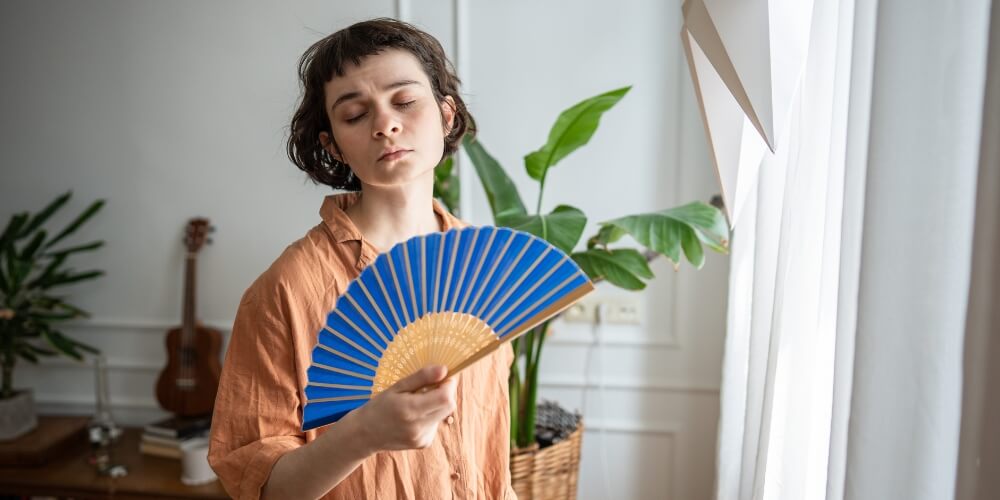
Humidity plays a major role in comfort perception. High humidity makes indoor spaces feel warmer even if the thermostat setting stays the same.
Air conditioners remove moisture during normal cooling cycles. However, during extreme heat, high humidity adds extra strain to the system.
Managing humidity helps improve comfort without forcing lower thermostat settings. This supports more stable ac cooling temperature performance and reduces system stress.
Signs Your AC Is Struggling Too Much
Some warning signs indicate the system may be under excessive strain.
- The unit runs constantly without shutting off
- Indoor temperatures continue rising
- Weak airflow from vents
- Unusual noises or vibrations
- Ice forming on refrigerant lines
- Sharp increases in energy bills
These signs suggest the system is struggling beyond its intended ac maximum temperature operating conditions or facing maintenance issues.
The Role of Proper Maintenance
Routine maintenance helps systems perform better during extreme temperatures. Dirty coils, clogged filters, and low refrigerant reduce efficiency significantly.
Regular inspections improve airflow, refrigerant balance, and heat transfer performance.
Well-maintained systems handle heat waves better and maintain a more stable ac temperature range during heavy demand.
How Insulation Impacts Cooling Efficiency
Insulation affects how much heat enters the home. Poor insulation forces the system to work harder because cooled air escapes while outdoor heat enters.
Attics, windows, and doors often contribute to heat gain. Improving insulation helps maintain indoor temperatures more effectively during extreme weather.
Reducing indoor heat load allows the air conditioner to operate more efficiently without pushing beyond normal ac cooling temperature limits.
Thermostat Mistakes Homeowners Make
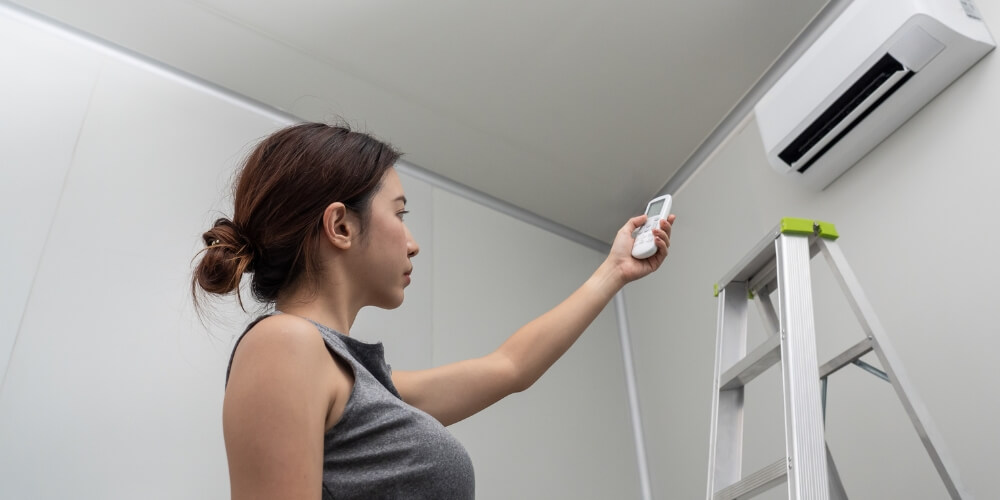
One common mistake involves lowering the thermostat dramatically during heat waves. Many people assume this helps the home cool faster.
In reality, air conditioners cool at the same rate regardless of thermostat settings. Lowering the temperature excessively only increases runtime and energy use.
Another mistake involves turning the system off completely during the day. Restarting from extremely high indoor temperatures places major strain on the equipment.
Maintaining stable settings supports better performance and protects the system from unnecessary stress.
How Smart Thermostats Help
Smart thermostats improve cooling efficiency by adjusting temperatures automatically based on schedules and occupancy.
These systems help maintain steady indoor conditions while reducing unnecessary strain during peak heat hours.
Better thermostat management supports long-term equipment health and improves overall ac temperature range stability.
Can Oversized Systems Handle Heat Better?
Some homeowners assume larger systems solve extreme heat problems. Oversized systems may cool quickly, but they often create humidity issues and inefficient cycling.
Proper sizing matters more than simply choosing the largest unit available.
Correctly sized systems maintain balanced cooling, better humidity control, and more efficient operation during high temperatures.
Protecting Your AC During Extreme Heat
Simple steps help reduce strain on the system during very hot days.
- Replace filters regularly
- Keep vents open and unobstructed
- Use blinds to block sunlight
- Avoid using heat-producing appliances during peak afternoon hours
- Schedule seasonal maintenance inspections
These actions support stable ac cooling temperature performance and help extend system lifespan.
When to Call a Professional
Some situations require professional inspection.
- The system blows warm air
- Ice forms on components
- The unit trips breakers repeatedly
- Cooling performance drops suddenly
- Water leaks appear near the unit
Professional service identifies whether the issue involves maintenance, refrigerant problems, airflow restrictions, or system failure.
Final Thoughts
Air conditioners perform within designed operating limits. Extreme outdoor heat naturally reduces efficiency and forces systems to work harder. Understanding ac maximum temperature conditions helps homeowners set realistic expectations and protect their equipment during heat waves.
Balanced thermostat settings, proper maintenance, humidity control, and good insulation all improve system performance. Instead of forcing the unit beyond its limits, homeowners benefit most from supporting efficient operation and reducing unnecessary strain.
Knowing how cold can an air conditioner get and understanding realistic ac temperature range expectations helps create better comfort and lower long-term costs. Chills Air Conditioning helps homeowners maintain reliable cooling performance and protect their systems even during the hottest conditions of the year.