
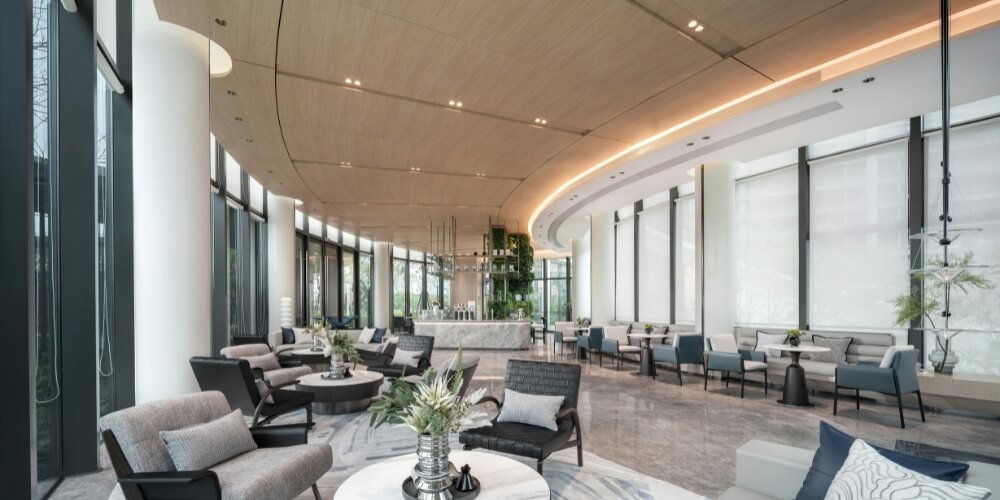
Guest comfort plays a major role in the success of every hotel. Travelers expect clean rooms, reliable climate control, quiet operation, and steady comfort throughout their stay. When temperatures feel inconsistent or systems become noisy and inefficient, guest satisfaction drops quickly. Energy costs also continue rising, which places additional pressure on hotel owners and operators to improve performance without sacrificing comfort. Choosing the Best Hotel Air Conditioner involves more than selecting a powerful unit. Hotels need systems that balance energy efficiency, durability, guest comfort, and long-term operating costs. Chills Air Conditioning works with commercial cooling systems designed to meet these demands while helping hospitality properties improve efficiency and reliability.
Modern hotel air conditioning systems continue evolving as hotels search for better performance and lower utility costs. From small boutique hotels to large resorts, property owners now focus heavily on energy-saving technologies and smarter climate control strategies. Understanding how these systems work helps hotel managers make informed decisions that improve both guest experience and operational efficiency.
Why HVAC Efficiency Matters in Hotels
Hotels operate differently from homes and many commercial buildings. Cooling and heating systems often run around the clock across hundreds of rooms, lobbies, restaurants, gyms, and conference spaces. This constant demand increases energy consumption significantly.
Efficient hotel hvac systems reduce operating costs while improving indoor comfort. Lower energy use also supports environmental goals and sustainability programs, which many guests now value when choosing accommodations.
Heating and cooling expenses represent one of the largest utility costs in hospitality properties. Even small improvements in efficiency create substantial savings over time.
Understanding Hotel HVAC Systems
Hotel hvac systems include equipment responsible for cooling, heating, airflow, humidity management, and ventilation throughout the property. These systems vary based on hotel size, building layout, climate, and occupancy needs.
Some hotels use centralized systems that serve the entire building, while others use individual units for each room. Both approaches offer advantages depending on operational goals and property design.
The most effective systems balance comfort, efficiency, maintenance requirements, and guest control.
Common Types of Hotel Heating and Cooling Units
Several types of hotel heating and cooling units are commonly used across the hospitality industry. Each system offers different benefits depending on the property’s size and operational priorities.
PTAC Units
Packaged Terminal Air Conditioner units remain common in hotels. These self-contained systems sit through exterior walls and allow guests to control temperatures individually.
PTAC units offer simple installation and lower upfront costs. They also make room-by-room maintenance easier. However, older models tend to use more energy and produce more noise than newer systems.
VRF Systems
Variable Refrigerant Flow systems have become increasingly popular in modern hotels. These systems adjust refrigerant flow based on demand, which improves efficiency and temperature consistency.
VRF systems support multiple zones and provide precise control throughout the building. They also operate quietly, which improves guest comfort.
Central Chiller Systems
Large hotels often rely on central chiller systems connected to air handlers throughout the property. These systems provide strong cooling capacity for high occupancy buildings.
While installation costs are higher, chillers deliver strong long-term efficiency when maintained properly.
How Energy Efficiency Impacts Hotel Operations
Efficient hotel air conditioning systems reduce electricity consumption and lower operating expenses. In large properties, these savings become substantial over time.
Energy-efficient systems also reduce strain on equipment, which lowers repair frequency and extends system lifespan.
Hotels that improve efficiency often experience better guest satisfaction because temperatures remain more stable and systems operate more quietly.
The Importance of Hotel Room Temperature Control Systems
Guests expect personalized comfort during their stay. Hotel room temperature control systems allow each guest to adjust settings according to their preferences.
This flexibility improves comfort while helping hotels manage energy use more effectively. Smart controls reduce unnecessary cooling in unoccupied rooms and automatically adjust temperatures when guests leave.
Advanced hotel room temperature control systems also provide monitoring tools that help maintenance teams identify problems early.
Why Oversized Systems Create Problems
Some hotel owners assume larger systems deliver better performance. In reality, oversized equipment often reduces efficiency.
Systems that cool too quickly cycle on and off repeatedly. This increases energy use, reduces humidity control, and creates uneven temperatures.
Proper sizing plays a critical role in hotel hvac systems performance. Accurate load calculations ensure the system matches the building’s actual needs.
Humidity Control in Hotels
Humidity affects guest comfort just as much as temperature. High humidity creates sticky, uncomfortable conditions and increases the risk of mold growth.
Efficient hotel heating and cooling units remove excess moisture while maintaining stable indoor temperatures.
In humid climates, proper humidity management becomes essential for guest satisfaction and building protection.
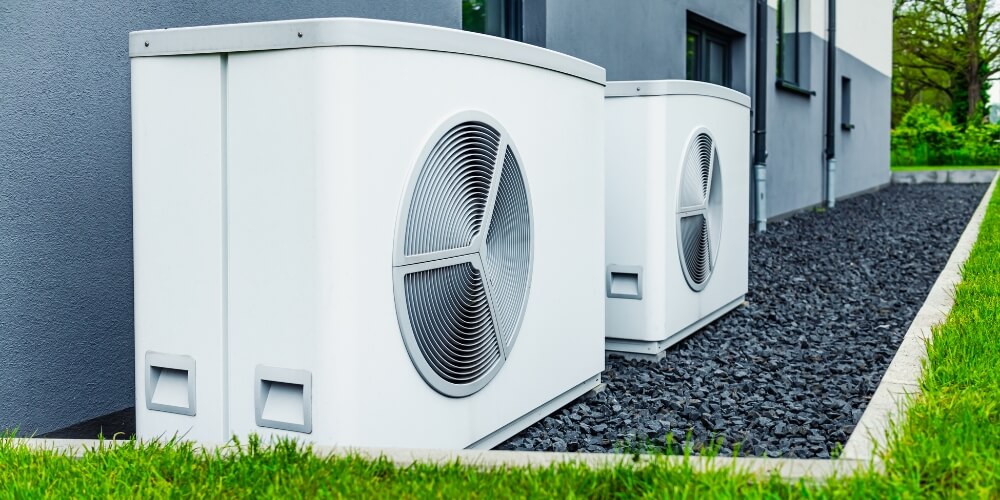
The Role of Smart Technology
Modern hotel air conditioning systems increasingly rely on smart technology to improve performance.
Smart thermostats, occupancy sensors, and automated controls reduce energy waste by adjusting temperatures based on room usage.
These systems also provide valuable performance data, helping hotels track energy consumption and identify maintenance needs early.
Maintenance and Long-Term Performance
Regular maintenance remains essential for efficient operation. Dirty coils, clogged filters, and worn components reduce efficiency and increase energy costs.
Hotels benefit from scheduled inspections and preventive maintenance plans. These programs help identify issues before they disrupt guest comfort.
Well-maintained heating and cooling units used in hotels operate more efficiently and last longer than neglected systems.
How Guest Expectations Influence HVAC Design
Modern travelers expect quiet, reliable climate control. Loud systems or inconsistent temperatures quickly lead to complaints and poor reviews.
This expectation influences how hotel hvac systems are designed and selected. Quiet operation, stable airflow, and responsive controls now rank among the most important factors in hotel HVAC planning.
Hotels that invest in guest comfort often see stronger customer satisfaction and repeat bookings.
Sustainability and Environmental Goals
Many hotels now prioritize sustainability as part of their brand image. Efficient hotel air conditioning systems help reduce carbon emissions and support environmental certifications.
Energy-efficient systems also align with growing guest interest in eco-friendly accommodations.
Reducing energy consumption benefits both the environment and operational budgets.
Choosing the Right Heating and Cooling Units Used in Hotels
Selecting the right system depends on several factors. Hotel size, building layout, local climate, and occupancy patterns all influence the decision.
Smaller properties may benefit from room-based systems, while larger hotels often require centralized solutions.
Professional evaluations help determine which heating and cooling units used in hotels provide the best balance of efficiency, comfort, and maintenance requirements.
The Financial Benefits of Energy Efficiency
Efficient systems reduce monthly utility bills and lower repair costs. Over time, these savings offset the initial investment in upgraded equipment.
Hotels also benefit from fewer guest complaints and improved room comfort.
When evaluating hotel heating and cooling units, long-term savings often matter more than upfront costs alone.
Future Trends in Hotel HVAC Systems
The hospitality industry continues moving toward smarter and more efficient solutions. Advanced controls, better zoning systems, and energy recovery technologies are becoming more common.
Future hotel room temperature control systems will likely rely even more on automation and real-time occupancy tracking.
Hotels that invest in modern technology position themselves for lower operating costs and stronger guest experiences.
Final Thoughts
Efficient climate control plays a major role in hotel comfort, operational performance, and long-term profitability. Modern hotel hvac systems must balance energy savings, reliability, quiet operation, and guest satisfaction.
The best hotel air conditioning systems do more than cool rooms. They support stable humidity, personalized comfort, and lower operating expenses across the entire property.
Proper maintenance, accurate sizing, and smart technology all contribute to better performance and long-term value. Chills Air Conditioning helps hospitality properties choose efficient solutions that improve guest comfort while reducing energy costs and supporting long-term operational success.