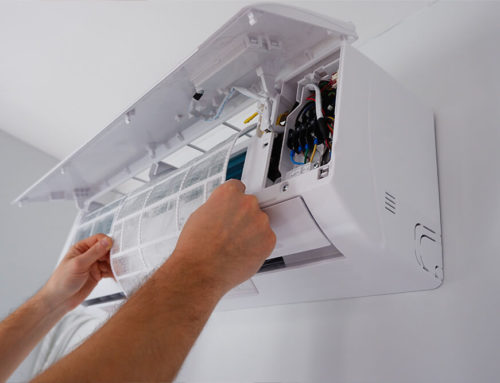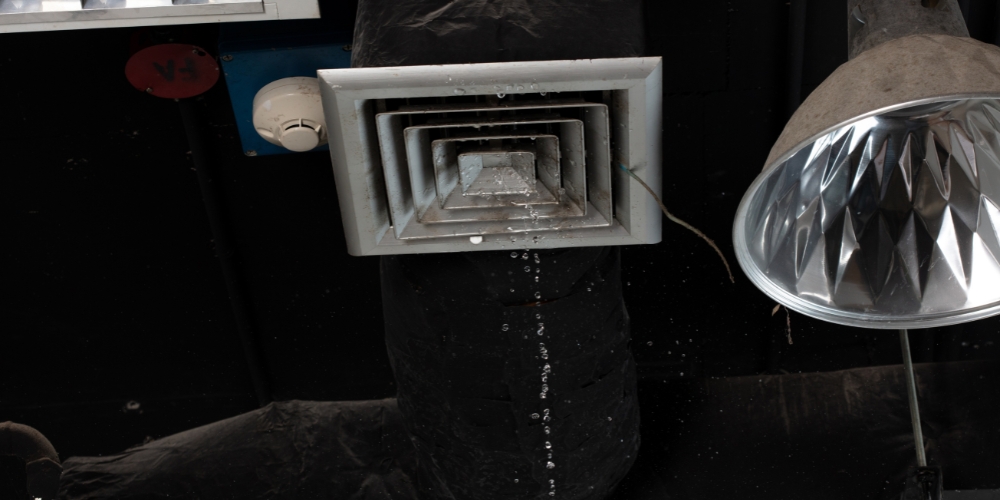
Your HVAC system depends on more than just the air conditioner and thermostat. Behind walls, above ceilings, and throughout attics, a network of ducts carries conditioned air to every room in your home. When those ducts develop gaps, cracks, loose connections, or damaged seals, your entire system suffers.
Many homeowners focus on the air conditioner itself when comfort issues arise. However, damaged ductwork is often the hidden culprit behind poor performance, uneven temperatures, and rising utility bills. Even a high-quality HVAC system cannot operate efficiently if conditioned air escapes before reaching its destination.
Understanding the warning signs of duct problems helps homeowners address issues before they become expensive repairs. This guide explains the most common indicators of duct leaks, why they matter, and what steps you can take to restore comfort and efficiency.
An experienced air conditioning repair service can often identify duct-related issues during a system inspection, helping homeowners avoid unnecessary strain on their equipment and higher operating costs.
Why Ductwork Matters
Ductwork serves as the delivery system for heated and cooled air. Once your HVAC equipment conditions the air, ducts transport it throughout the home.
When ductwork is properly sealed and insulated, airflow remains strong and temperatures stay consistent. When leaks develop, conditioned air escapes into attics, crawl spaces, garages, or wall cavities before it reaches living areas.
Studies have shown that homes can lose a significant percentage of conditioned air through damaged ducts. These losses force HVAC systems to work harder, consume more energy, and provide less comfort.
This is why identifying and repairing leaky ductwork remains an important part of maintaining an efficient HVAC system.
Sign #1: Uneven Temperatures Throughout the Home
One of the most common signs of HVAC ductwork leaks is uneven heating or cooling between rooms.
You may notice that:
- One room feels significantly warmer than another
- Certain rooms never reach the desired temperature
- Upper floors remain uncomfortable
- Some vents produce stronger airflow than others
When conditioned air escapes through damaged ducts, less air reaches the intended rooms. As a result, some spaces remain too warm while others become overly cool.
Many homeowners assume the air conditioner itself is failing when they experience uneven temperatures. In reality, leaking air ducts often create these comfort problems.
If your thermostat appears to be working properly but temperature differences persist throughout the house, duct leakage may be the cause.
Why Uneven Temperatures Occur
Air follows the path of least resistance.
When gaps or holes exist within the duct system, conditioned air escapes before reaching distant rooms. Areas closest to the HVAC equipment may continue receiving adequate airflow, while rooms farther away experience reduced comfort.
This issue becomes especially noticeable during periods of extreme heat or cold when the system works harder to maintain indoor temperatures.
Among the most recognizable signs your air ducts are leaking air is the inability to achieve consistent temperatures throughout the home.
Sign #2: Higher Energy Bills Without Increased Usage
Another major indicator of duct problems is a sudden increase in utility costs.
If your energy bills continue rising despite similar usage habits, your HVAC system may be compensating for air loss.
When HVAC ductwork leaks develop, conditioned air escapes before reaching living spaces. To compensate, the system runs longer cycles and consumes more electricity.
Over time, these losses become expensive.
Homeowners often blame aging equipment, utility rate increases, or weather changes. While those factors can contribute, damaged ductwork frequently plays a significant role.
Even relatively small leaks can create measurable increases in monthly energy consumption.
How Duct Leaks Impact Efficiency
Imagine filling a bucket with water that has several holes in the bottom.
You must continue adding more water to maintain the desired level.
The same concept applies to HVAC systems.
As conditioned air escapes through leaky ductwork, the system must produce more cooled or heated air to maintain thermostat settings.
This added workload increases operating costs and accelerates equipment wear.
If utility bills continue climbing without a clear explanation, it may be time to investigate how to find leaks in HVAC ducts before costs increase further.
Sign #3: Weak Airflow From Vents
Strong airflow is essential for maintaining comfort.
If airflow from your vents suddenly feels weaker than usual, duct leakage may be responsible.
Air escaping through damaged sections reduces pressure throughout the system. This loss often becomes noticeable at supply vents.
Common symptoms include:
- Weak airflow from multiple vents
- Longer cooling cycles
- Rooms taking longer to reach desired temperatures
- Reduced overall comfort
Weak airflow may also indicate dirty filters or blower issues. However, leaking air ducts should remain part of the diagnostic process, particularly if airflow problems affect multiple areas of the home.
The Connection Between Air Pressure and Duct Leaks
HVAC systems rely on balanced air pressure.
When duct sections become disconnected or develop cracks, airflow pressure drops. Less conditioned air reaches occupied spaces, reducing overall system performance.
This pressure loss often causes homeowners to lower thermostat settings in an attempt to compensate, which only increases energy consumption.
Addressing the root problem helps restore airflow and efficiency simultaneously.
Sign #4: Excess Dust and Poor Indoor Air Quality
Many homeowners do not realize duct leaks affect indoor air quality as well.
Damaged ducts often pull unfiltered air from attics, crawl spaces, garages, and other areas containing dust, insulation particles, and contaminants.
As this air enters the system, it circulates throughout the home.
You may notice:
- More dust on furniture
- Increased allergy symptoms
- Musty odors
- Reduced indoor air quality
HVAC ductwork leaks allow unwanted particles to bypass the filtration process.
As a result, even homes with regularly changed filters may experience excessive dust accumulation.
If cleaning seems less effective than before, duct leakage may be contributing to the problem.
Why Indoor Air Quality Suffers
When ducts develop leaks on the return side of the system, they can pull air from unconditioned spaces.
Attics often contain insulation fibers, dust, and debris. Crawl spaces may introduce moisture and contaminants.
Once these pollutants enter the system, they spread throughout the home.
This is another reason why identifying signs your air ducts are leaking air should be a priority for homeowners seeking cleaner indoor environments.
Sign #5: Strange Noises Coming From Ductwork
Your HVAC system should operate relatively quietly.
While normal expansion and contraction sounds occur occasionally, excessive noises may signal duct issues.
Common warning sounds include:
- Whistling
- Rattling
- Hissing
- Vibrations
- Air rushing noises
These sounds often occur when air escapes through gaps, disconnected sections, or damaged seals.
In some cases, portions of the ductwork may loosen over time, creating airflow turbulence that generates unusual noises.
If sounds become more noticeable during system operation, inspection may reveal leaky ductwork as the underlying cause.
What to Do If You Suspect Duct Leaks
Identifying symptoms is only the first step.
If you suspect leaking air ducts, several actions can help determine whether professional attention is needed.
Check Visible Duct Sections
Inspect accessible ductwork in attics, basements, or utility areas.
Look for:
- Loose connections
- Damaged insulation
- Visible gaps
- Crushed ducts
- Detached sections
While not all leaks are visible, obvious damage often provides clues.
Monitor Utility Bills
Compare recent energy bills to previous months and years.
Unexplained increases often indicate efficiency problems somewhere within the system.
Evaluate Airflow
Walk through the home and check airflow at each vent.
Significant differences between rooms may indicate airflow losses.
Schedule a Professional Inspection
Professional HVAC technicians use specialized tools to identify duct leakage.
These evaluations often include airflow testing, pressure measurements, and visual inspections.
If you are wondering how to find leaks in HVAC ducts accurately, professional testing remains the most reliable solution.
The Benefits of Duct Sealing
Repairing duct leaks offers several advantages.
Improved Comfort
Properly sealed ducts deliver conditioned air where it belongs.
This creates more consistent temperatures throughout the home.
Lower Energy Costs
Reducing air loss helps systems operate more efficiently.
Many homeowners notice lower utility bills after repairs.
Better Indoor Air Quality
Sealed ducts reduce the introduction of dust, allergens, and contaminants.
Reduced Equipment Wear
When systems no longer compensate for lost air, components experience less strain.
This often extends equipment lifespan and reduces repair needs.
Preventing Future Duct Problems
Routine maintenance helps prevent future issues.
Homeowners should:
- Schedule regular HVAC inspections
- Replace filters consistently
- Inspect visible ductwork periodically
- Address airflow changes promptly
- Repair minor issues before they worsen
Early attention prevents small leaks from becoming major efficiency problems.
Understanding how to find leaks in HVAC ducts and recognizing early warning signs allows homeowners to protect both comfort and operating costs.
Final Thoughts
Ductwork plays a critical role in HVAC performance, yet it often receives little attention until problems become noticeable. Uneven temperatures, rising energy bills, weak airflow, poor indoor air quality, and unusual noises all rank among the most common signs your air ducts are leaking air.
Ignoring these symptoms allows efficiency losses to continue while increasing strain on your HVAC equipment. Addressing HVAC ductwork leaks early helps improve comfort, reduce utility costs, and support healthier indoor air.
If you suspect leaky ductwork in your home, professional evaluation can identify hidden issues and restore proper system performance. Chills Air Conditioning helps homeowners improve efficiency, comfort, and reliability by identifying duct problems and providing solutions that support long-term HVAC performance.